
2 November 2026
From hedgerow to the kitchen: Amanda’s passion for sustainable cooking
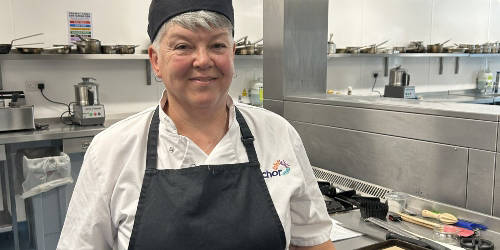
Amanda Corcoran is the Chef Manager at The Manor House Barnard Castle care home. When she took part in Anchor’s Chef of the Year competition, she enjoyed sharing her lifelong passion for sustainable cooking with the judges and tells how the tradition of foraging has shaped her approach to food in her blog.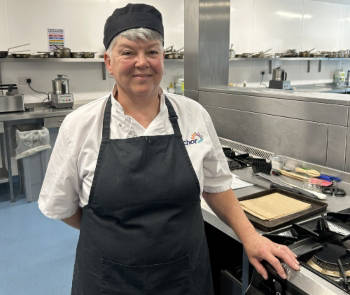
My lifelong love of foraging
I’ve been foraging for as long as I can remember. My mum would take me mushroom picking when I was a child, we’d gather damsons for jams, and collect crab apples for jelly.
These are traditions I’ve carried with me throughout my life and career, and they’ve shaped the way I approach cooking.
After moving to the North East, I discovered even more opportunities to connect with nature through food. I was so excited by the abundance of wild garlic, raspberries and gooseberries near my new home, which we didn’t have around us in Suffolk.
I love being able to pick ingredients for free and turn them into something delicious and nutritious, without the need for plastic packaging or food being transported across the world. The flavour of wild foods is something that just can’t be replicated commercially.
Bringing foraged ingredients to the table
One of the best things about foraging is being able to share what I find with the people I cook for.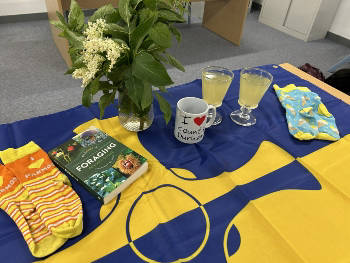
At The Manor House care home in Barnard Castle, residents regularly enjoy the freshly picked and locally sourced ingredients. My homemade wild garlic butter transforms the garlic into a vibrant green centrepiece, while wild garlic and nettle pesto add extra flavour to homemade quiches.
During the summer months, residents also enjoy my homemade elderflower cordial. I’ve already got a freezer stocked with freshly picked blackberries, ready to be turned into apple and blackberry jam.
For me, it’s about making the most of what’s available throughout the seasons and finding creative ways to bring fresh flavours into the kitchen.
Making the most of every ingredient
Sustainability is about much more than foraging. I’m always looking for ways to reduce waste and find a use for as much as possible in the kitchen.
Bread crusts can become croutons for soup or breadcrumbs for toppings. If I only need egg yolks for a recipe, I’ll use the whites to make meringues or freeze them for later. Surplus fruit and vegetables can be turned into chutneys, while overripe bananas are perfect for banana bread.
People sometimes worry when banana skins turn black, but the insides can still be perfectly good to use, and you can actually freeze the bananas until you have enough to make something tasty with them.
It’s often a case of looking at an ingredient differently and thinking about what else you could make with it, rather than throwing it away.
Growing ingredients together
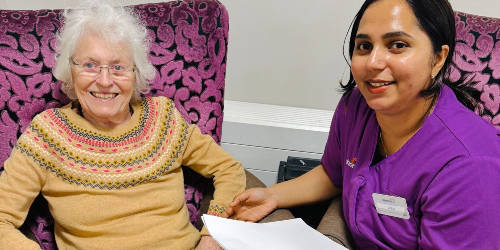
Our home’s herb garden is another important part of cooking at The Manor House Barnard Castle. Residents help care for the garden, growing herbs and strawberries that we can then use in our meals.
It’s lovely to be able to use ingredients that residents have helped to grow. It gives them the opportunity to be involved in something familiar and see the results of their efforts on the plate.
Food can bring people together in lots of different ways, whether that’s sharing something freshly picked, enjoying a favourite dish or getting involved in growing ingredients.
My tips for a more sustainable kitchen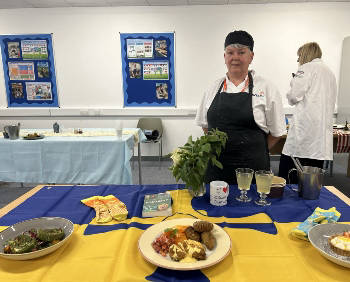
You don’t need to be an experienced cook or a keen forager to make your kitchen more sustainable. Small changes can make a real difference, and you can start with what you already have.
My advice is simple: before throwing anything away, stop and ask yourself, ‘What could I make from this?’
A freezer is one of the best tools you have in your kitchen. You can freeze ingredients to use later, rather than feeling you have to use everything immediately.
I also love using seasonal ingredients and making the most of what nature has to offer. Foraging gives me access to wonderful flavours, but it’s important to know what you’re picking and to identify wild ingredients correctly before using them.
A little creativity can go a long way in helping you use more of your food, discover new flavours and reduce waste.
Ultimately, it’s about making the most of what we have. You can create amazing food without waste, while staying within budget and reducing your environmental impact.
I love being able to bring my own passion for seasonal ingredients and reducing waste into the kitchen at The Manor House Barnard Castle and involving the residents ideas too, when it comes to creative thinking in the kitchen I think too many cooks most certainly do not spoilt the broth!
Amanda Corcoran is a Chef Manager at The Manor House Barnard Castle
Fresh, seasonal food that people enjoy
At Anchor, our care home catering teams work to provide freshly cooked, appetising and nutritionally balanced meals, with seasonal choices and a variety of dishes to enjoy throughout the day. Our professional chefs use fresh ingredients and plan menus that offer variety, from familiar favourites to traditional regional dishes.
Residents’ preferences and nutritional needs help shape the food we serve. Catering teams regularly consult residents about what they enjoy, and there are opportunities in many of our care homes to get involved in food preparation or help grow ingredients. You can find out more about our approach to catering and mealtimes here.