
Resident guidance & Policy information: All Housing residents - Last updated 22 May 2026
Anti-social behaviour
If you ever feel there is immediate danger to you or someone else please dial 999.
Everyone living with Anchor has a right to feel safe and secure and to live peacefully in their home, free from anti-social behaviour.
 Our locations are multi-generational and diverse, and occasionally, residents’ behaviour can lead to friction and disputes. Anti-social behaviour can seriously affect the quality of a person’s life and the enjoyment of their home and surroundings.
This page explains what to do if you are experiencing anti-social behaviour from others. It outlines our approach to handling reports of issues as well as our commitments and what we expect from residents. It also discusses how we deal with reports of housing fraud, hate crime and domestic abuse.
In this guidance you'll find:
- Anchor's Anti-Social Behaviour Policy
- What is anti-social behaviour?
- How to report anti-social behaviour to Anchor
- What happens after a report of anti-social behaviour is made?
- How will the case be investigated by Anchor? How long will the investigation take?
- What are the potential outcomes from a report of anti-social behaviour?
- How are anti-social behaviour cases monitored and when are they closed?
- Independent anti-social behaviour case reviews
- Our commitment – what you can expect from us
- Your commitment – what we expect from you
- Housing fraud
- Hate crime and domestic abuse
Anchor's Anti-Social Behaviour Policy
Anchor's Anti-Social Behaviour Policy (updated Oct 2025)
What is anti-social behaviour?
Anti-social behaviour (ASB) refers to a broad range of actions that cause nuisance, annoyance, or distress to others in a community. These behaviours can negatively impact a persons' enjoyment of their home and their overall wellbeing. Examples of anti-social behaviour include:
- Noise and rowdy behaviour: Persistent noise, especially during unreasonable hours (late evenings or early mornings)
- Animals not controlled: Constant barking, dog fouling, or pets causing distress to others
- Illegal activity: Using a property for criminal purposes or engaging in criminal activity within the locality of the property
- Intimidation or verbal abuse: Threats, intimidation or harassment
- Violence or threatening behaviour: Physical, sexual or emotional violence or threats of violence
- Vandalism and damage: Graffiti, property damage, or other forms of vandalism
- Hate crime or harassment: Incidents of abuse, harassment or harm motivated by prejudice around a person's actual or perceived sexuality, race, religion, disability or gender
- Vehicle nuisance: Abandoned vehicles, dangerous parking or noisy, disruptive activity involving vehicles
- Substance abuse nuisance: Problems caused by drug or alcohol use
- Sexual harassment or inappropriate behaviour: Sexual harassment or other inappropriate conduct
- Improper disposal of waste: Littering or dumping of rubbish
- Poor property condition: Property conditions that negatively affect communal areas or pose risks to the fabric of the property or wider community.
How to report anti-social behaviour to Anchor
You can report ASB in several ways:
- Online: Complete our online reporting form here
- Location Manager: You can also report to your location manager in person, over the phone, by email, or by letter
- Email: Send an email to [email protected] with "ASB" in the subject line. Your report will be assessed by the Customer Experience Hub and forwarded to the most appropriate member of staff
- Phone: Call 0800 731 2020
What happens after a report of anti-social behaviour is made?
We'll assess whether what you are reporting qualifies as ASB, to do this we may ask you for further information or seek support from other specialists (e.g. Community Safety Officers) if needed.
If the report meets the criteria for ASB a case will be logged.
However, if the report does not qualify as ASB a record of the report will be made and your location manager will be notified so any other appropriate procedures can be followed.
Anchor operates an effective case management and monitoring system to oversee ASB cases. Once we receive a case of ASB we will acknowledge its receipt within one working day for cases deemed Urgent and four working days for Non-Urgent cases. The acknowledgement sent to you will include an outline of the case and will be sent using the same method you contacted us.
How will the case be investigated by Anchor? How long will it take?
Once ASB is reported we will:
- Gather details from you, including any independent evidence or witness names
- Liaise with other services for information and support as required (police, local authority etc)
- You may be asked to keep a diary over an agreed period to track incidents, spot patterns of behaviour and assess level of persistency
- Investigate and speak with all parties involved, including witnesses and those causing the behaviour. Our aim is to support all parties in finding a positive solution to reports of alleged ASB
- In some cases, partner agencies such as Safeguarding or Environmental Health may be involved
- Where appropriate, we may ask residents to speak to the person causing the behaviour about the issue they are experiencing. Often neighbourly disputes can be easily resolved by talking to the other person and making them aware.
We will keep in regular contact with you and the alleged perpetrator throughout the investigation process. The initial investigation should not take longer than two weeks but the subsequent action may take much longer.
What are the potential outcomes from a report of anti-social behaviour?
Where ASB is evidenced through investigation, there are a range of tools we can use to find a positive solution. We may decide on actions such as:
- Warning or advice letters
- Mediation offers
- Acceptable behaviour contracts or good neighbour agreements
- Court actions, including injunctions or possession proceedings which could lead to eviction (for serious cases)
- Supporting you to resolve the issue by speaking with the person causing the behaviour.
How are anti-social behaviour cases monitored and when are they closed?
We will stay in contact with you and the alleged perpetrator throughout any actions and cases may remain open until a resolution is reached.
After a resolution, we'll check in to ensure that the ASB has stopped. If it continues, further actions will be considered.
Independent anti-social behaviour case reviews
You have the right to request an independent review via your local authority (ASB Case Review). More details on the process can be found here: Anti-social behaviour case review - GOV.UK.
Our commitment - what you can expect from us
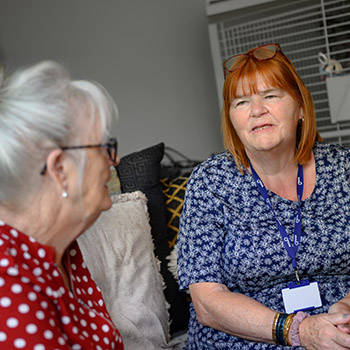 We're committed to promoting successful communities and neighbourhoods. We recognise that ASB can have a devastating effect on the lives of residents and the communities in which they live.
We take steps to prevent crime and ASB occurring at our locations and take a victim-centred approach if this does.
Where possible we take part in multi-agency partnerships (such as the police and local safeguarding teams) when responding to ASB incidents involving vulnerable people, hate incidents and/or crimes. We also use the services of ASB trained Anchor colleagues known as ASB Ambassadors.
We will act in a fair and reasonable manner when handline reports of issues. There are things that we don’t consider ASB, for example incidents relating to normal domestic noise, and we will only take formal action if we are satisfied that evidence can demonstrate that an individual or individuals have acted in an anti-social manner.
We will support residents in discussing issues, creating understanding, and fostering community cohesion wherever possible.
Your commitment – what we expect from you
As Anchor residents, you have a big part to play in helping to tackle ASB. We do not tolerate nuisance or harassment and it is made clear in our tenancy, lease and contract agreements that this behaviour is unacceptable. We expect that you and your visitors will be considerate neighbours and will not deliberately cause a nuisance or annoy other people. We also expect residents to show tolerance and understanding towards their neighbours.
Where appropriate, we advise residents to speak initially to their neighbour about an issue they are experiencing, for example a loud television. Often these neighbourly disputes can be easily resolved by talking to your neighbour and making them aware.
If a neighbourly dispute is not easily resolved and you feel the need to complain about ASB, please let us know, using the methods above.
Housing fraud
We also deal with housing fraud (also known as tenancy fraud), which can include:
- Gaining a tenancy through false information
- Subletting without consent
- Non-occupation of a property
To report tenancy fraud, contact the location manager or Anchor directly using the methods above.
Hate crime and domestic abuse
If your ASB report involves hate crime or domestic abuse, we offer additional support. More details can be found on the relevant support pages here:
• Anchor's hate crime support
• Anchor's domestic abuse support

Report community safety concerns now
You can quickly and easily report community safety concerns such as safeguarding concerns, anti-social behaviour, hate crime or domestic abuse to Anchor using our online form.
Make a report nowMore guidance about neighbourhoods and communities
Related information for residents on how, together, we can make sure our communities are places where you and your neighbours love living in later life.