
Resident guidance: All residents - Last updated 15 November 2025
Damp, mould and condensation
Damp, mould and condensation are not only unsightly in your home, but can also be a risk to your health.
We take our responsibility to ensure residents can live safely in their homes extremely seriously and prioritise providing homes that are safe, warm and dry.
On this page we explain how to let us know about the presence of damp or mould in your home, as well as help you understand the causes of different types of damp and highlight some easy steps to reduce condensation.
On this page:
- Reporting damp, mould and condensation in your home
- Causes of damp
- Looking after your home and reducing condensation
- Information and support with financial concerns
Reporting damp, mould and condensation in your home
If you suspect the presence of damp, mould or condensation in your home please report it as soon as possible in one of the following ways:
- During their working hours speak to your location manager
- Between 8am-6pm Monday-Friday, and 8am-4pm on Saturday you can call the Customer Experience Hub on 0800 731 2020
- Out of hours: 6pm–8am daily, or Sundays, you can contact Anchor on Call for emergencies on 0300 123 7101, or by pulling your emergency cord.
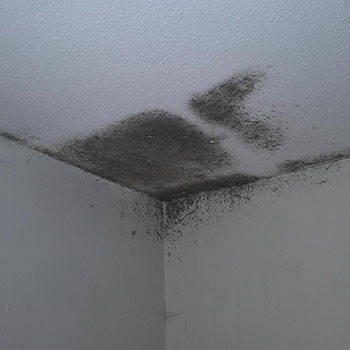 Damp and mould may worsen over time and affect your health or the structure of your home so we strongly encourage you not to wait to report these issues.
When you report the issue we will treat it seriously: we will inspect, investigate, and take necessary action to remediate the problem promptly. All reports of damp mould and condensation go through a triage process where the answers you give to key questions help us determine whether your issue is deemed an emergency hazard.
Timescales for damp, mould and condensation deemed an emergency hazard
From 27 October 2025 new legal requirements for social landlords under Awaab’s Law require us to investigate and fix serious issues of damp, mould and emergency hazards, within strict timescales.
If your issue is deemed an emergency hazard we will:
- Attend within 24 hours to make safe.
- We will then inspect any reported emergency or significant hazard within 10 working days. You will receive a written summary of what we find, within 3 working days of this inspection.
- If through this inspection we determine there is a health or safety risk, we must begin works within 5 working days. In rare, complex cases such as where structural repairs or access issues are involved, work may begin slightly later - but never beyond 12 weeks, and only with clear justification.
- If your home cannot be made safe in time, we will provide alternative accommodation while repairs are carried out
If your damp, mould or condensation issue is not deemed an emergency hazard we will work to the emergency, urgent and routine repair timescales outlined on our Report a repair page.
Whatever the classification of your damp, mould or condensation issue we will always strictly document all steps, communications, and decisions taken and you have the rights to challenge delays or non-compliance.
Causes of damp
Causes of damp can include: rising damp caused by moisture in the ground, water penetration caused by a range of defects, high-humidity, poor ventilation and condensation in the air that hasn't been able to circulate.
Condensation is the most common cause of damp which is why preventing the issue is just as important as treating it.
Types of damp
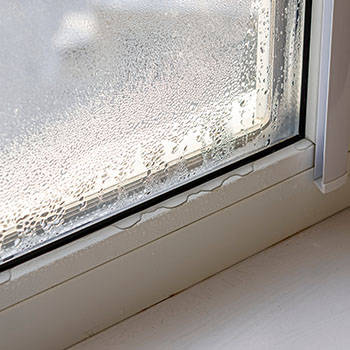 Condensation
Condensation occurs when warm, moist air contacts cooler surfaces like windows, walls, or mirrors. Over time, condensation can lead to damp and mould growth, which can damage your property.
Penetrating damp
Penetrating damp is caused by water seeping through external walls, windows, or the roof of a building. It can often result from structural issues, this means it’s vital that you report a repair if you suspect penetrating damp.
Rising damp
Rising damp occurs when moisture from the ground travels up into a house. This can usually be identified by its impact on lower parts of the walls, such as peeling paint or wallpaper, crumbling plaster, or a damp patch.
Damp caused by leaks
This happens when water is escaping from pipes, appliances, or roofs. The water can soak into walls, ceilings or floors and cause wet patches, mould or musty smells. As leaks can be small it’s important to fix them quickly.
Identifying damp and mould
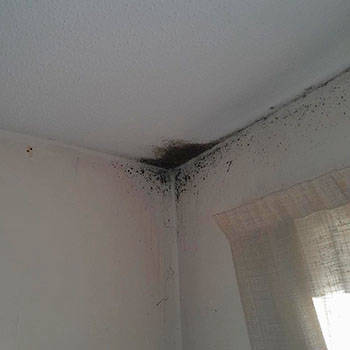 If you’re concerned you have damp or mould in your home, you may be able to identify it yourself.
Some of the things you may see are:
- Water droplets on windows or cold walls, especially in the morning
- Mould growth (usually black) around window frames, behind furniture, or on corners of wall or ceilings
- Wet patches on walls or ceilings, peeling paint or wallpaper, white powder marks or tide marks
- Mould can smell musty, damp, or earthy.
If you identify any of the above issues, it’s important you report them to ensure we can help keep your home safe. Mould and damp can impact your health, if you have any respiratory illness or underlying health issues and think you have damp in your property, please contact us urgently.
Looking after your home and reducing condensation
All homes are at risk of condensation and these risks can increase through the winter months. It’s possible to reduce the amount of condensation in your home, by making just a few changes.
Tips for a healthy home
- Allow air to circulate – condensation occurs when moisture stays in the air for long periods of time. You can reduce this by opening windows for a few minutes every day, as well as leaving a gap between furniture and the walls so that air can travel through.
 Take care while cooking – putting lids on pots and pans stops excess moisture entering the air. Make sure to close doors where possible, open windows to adjoining rooms and keep the extractor fan on while you cook.
- Don’t let water settle – make sure to clean up any excess water, including condensation on the windowsills in the morning, wiping down the bathroom after bathing, and mopping up any spills around the house.
- Dry clothes carefully – wet clothes are one of the biggest causes of moisture in our homes. Reduce condensation by drying clothes outdoors. If drying washing indoors, do so in the bathroom or kitchen, with the extractor fan running and the door closed. Never dry clothes on a radiator, as this causes spikes in humidity.
- Maintain consistent, low-level heating – a great way to manage condensation is by keeping your home at a steady warm temperature, especially prior to activities such as showering, cooking, or washing. The ideal range is between 18°C and 21°C, the consistency in the temperature will help prevent condensation.
- Check for mould regularly – moisture can build up easily in cupboards that are too full and between furniture and walls so make time to check wardrobes, cupboards and behind furniture for signs.
More information on tackling mould can be found on gov.uk’s guidance: Understanding and addressing the health risks of damp and mould in the home.
More guidance on healthy and safe homes
Related information for residents on how together, we can keep your home healthy and safe.