- Home
- Existing residents
- Fire safety in your home
Resident guidance & Policy information: All residents - Last updated 20 April 2026
Fire safety in your home
Fire safety is everyone’s responsibility. Small actions can prevent serious fires.
This page explains how we ensure fire safety where you live and outlines what you can do to help reduce the risk of fire in your home and keep you and your neighbours safe. You can also download our Fire Safety Policy.
On this page you’ll find:
- Anchor's Fire Safety Policy
- What to do if there is a fire
- How Anchor ensures fire safety where you live
- Fire prevention tips
- Why a fire safety visit could be useful for you
- Letting us know about alterations and improvements to your home
- How to get more help or advice on fire safety
Anchor's Fire Safety Policy
Our policy outlines our approach to fire safety across our properties.
What to do if there is a fire
All Anchor properties are built to high safety standards with doors and walls designed to slow the spread of fire. Every location has a fire procedure telling you what to do if the fire alarm sounds – this is shared with you when you move into your home and is displayed in communal areas.
Most properties are fitted with a fire alarm system that is linked to our trained team at Anchor On Call who can call the fire service in an emergency. If your alarm isn’t linked to Anchor On Call, we’ll let you know what procedure you should follow in the event of a fire, when you move in.
If you are a homeowner and don’t have smoke detection in your home, you can get them for free by contacting your local Fire & Rescue Service - your location manager can help you with this.
How Anchor ensures fire safety where you live
We will undertake Fire Risk Assessments (FRAs) in accordance with the Regulatory Reform (Fire Safety) Order 2005 and record all findings. Anchor ensures that all general fire precautions under our control meet guidance requirements:
- All communal fire doors are inspected and maintained in compliance with statutory requirements
- For blocks above 11m, we will use best endeavours to inspect all flat entrance doors. Below 11m, a sample will be inspected during FRAs and your location manager will also attempt to check fire doors every three months
- Remedial actions arising from FRAs or further investigations are completed within agreed timescales by an approved contractor
- All fire safety equipment, gas installations and electrical installations (where Anchor is responsible) are tested, maintained, and repaired in compliance with statutory requirements, manufacturer’s guidance, and relevant Anchor policies
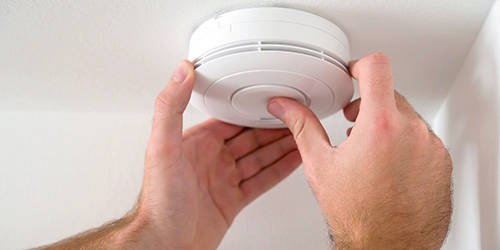
- Where required, all dwellings are fitted with compliant smoke, heat and carbon monoxide detection systems
- We provide clear fire safety instructions to residents on reporting a fire, evacuation strategy and what to do in the event of a fire. In addition, we’ll provide information about fire doors
- We manage communal areas to safeguard fire safety (such as removing combustible items or trip hazards) to comply with statutory requirements
- Where Anchor is responsible, repairs, maintenance and planned works are managed to safeguard fire safety and comply with statutory requirements.
Fire prevention tips
Cooking safety
Cooking is the number one cause of household fires and setting off the fire alarm. By following a few simple steps you can prevent a fire in your home and stop alarms going off unnecessarily:
- Never leave a lit hob or oven unattended
- Never cook when tired or under the influence of alcohol or medication that may cause drowsiness
- Always keep flammable items such as tea towels away from the cooker
- Always keep grill pans, cookers, toasters etc. clean and free from food remains, such as grease and crumbs
- Always check the cooker is switched off when you have finished cooking
- Always keep microwave vents free from obstruction and use it in accordance with the manufacturer’s instructions
- When using a BBQ, never leave it unattended and never BBQ on a balcony
- Never use BBQs, camping stoves, or open flames indoors
- If smoke from cooking has caused your fire detection to sound, but there is no fire, then open your windows and turn on any extraction fans in the kitchen. Do not use your flat entrance door to vent smoke, as this will activate the main building alarm and could call out the fire service.
Fires can also occur when strong sunlight has been concentrated by glass goods or mirrors on windowsills. Please try to avoid placing these items in direct sunlight.
Smoking materials, heating and candles
If you smoke, please make sure you:
- Use purpose made ashtrays, ideally covered, and never overfill
- Always make sure cigarettes are extinguished
- Always use fail safe lighters rather than matches
- Never smoke in bed, or anywhere where you could fall asleep. Avoid smoking when you are tired, and never smoke while you are under the influence of alcohol or medication which may cause drowsiness
- Ensure you follow all safety advice provided when using paraffin-based emollients and moisturisers
- Electronic cigarettes must be supervised when charging due to the risk of overheating. Use a glass or ceramic bowl to charge and keep them in
- Always keep balconies free from litter and combustible materials
- We strongly discourage smoking on balconies due to the risk to properties below. Never put out cigarettes on the floor or drop ash or cigarette butts over the edge.
- Keep portable heaters away from furniture, curtains, and bedding.
We strongly discourage the use of candles (LED flameless candles are a safer option). However if they are used:
- Never leave them burning when you go to sleep
- Always put them out if you leave the room
- Always use an appropriate candle holder
- Always keep candles away from any flammable materials e.g. curtains.
Keeping your home safe includes making sure electrical items are used and maintained properly. You can read more about this on our Electrical safety in your home resident guidance page.
Scooters and fire safety
If you own a mobility scooter it should be serviced regularly (in line with the manufacturer’s guidance) and stored in designated scooter stores or inside your home.
Within communal storage areas, mobility scooters are only to be charged between the hours of 8am and 8pm. This is to reduce the risk of overcharging and a fire starting at night. Residents are advised to adopt the same approach within their own homes.
If your scooter has a removable battery, remove it every time you leave it unattended. This will reduce the risk of it setting fire.
Never charge a scooter from an extension cable from your home. This is a fire hazard.
Why a fire safety visit could be helpful for you
A free Fire Safe and Well visit (sometimes called a home fire safety visit) from your local fire service is a useful way to tailor fire safety advice to individual needs. It can further support our community by helping to prevent a fire or reducing the effects.
There are many reasons that you, those you live with or someone you know might find this service useful. It may be helpful for:
- Those who live alone
- Those who take regular medication or use emollient creams
- Those with mental health or physical health conditions
- Those with large quantities of belongings in their home
- Those who may have difficulty leaving their home in an emergency situation
- Those who smoke, especially indoors
- Those that use medical oxygen therapy
- Those who are mostly chair or bedbound.
You can find out which is your local fire service and what they offer using this website.
Letting us know about alterations and improvements to your home
You should let us know if you want to make an alteration or improvement to your home. In some instances you will need our permission to carry out work in line with your tenancy agreement or lease/freehold agreement.
Any work should be carried out by a suitably qualified contractor. Any work carried out that is unsafe or comprises fire safety will be rectified by an Anchor-appointed contract at the resident’s expense.
Need help or advice?
If you have any concerns about fire safety (for example faulty fire doors, damaged smoke alarms, electrical safety concerned, blocked escape routes, etc.) please talk to your location manager or contact the Customer Experience Hub on 0800 731 2020.
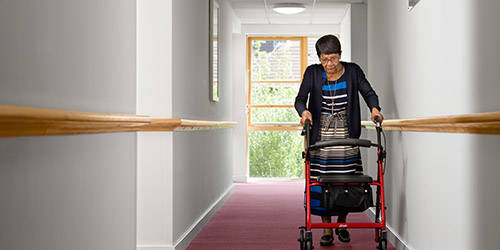
If you need extra support because of mobility issues, hearing/sight problems or other health conditions that may affect your ability to respond to a fire, please let us know.
This website uses cookies which track activity so that you get the best possible experience. By continuing to use this website we will assume you are happy and cookies will be set. You can change your cookie settings at any time.