
Last updated 11 June 2026
A guide to care home catering: What good looks like
Eating and drinking well, a positive relationship with food and being well hydrated, are central to living well in a care home. The direct impact these aspects of daily life have on our wellbeing makes care home catering a really important factor to consider when choosing a care home for you or a loved one.
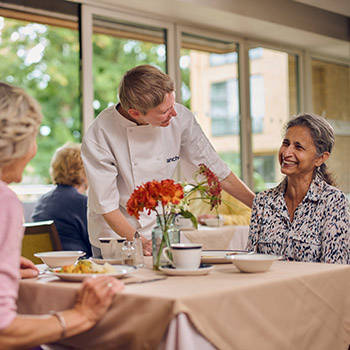 At Anchor, we believe that correct nutrition and hydration are essential pillars of high-quality care. A great mealtime experience is about more than just the ingredients used and supports physical health, boosts our immune system, improves mood, and enhances our overall quality of life.
This guide is designed to help you understand what excellent care home catering looks like and provides you with questions to ask and things to look out for so that you can make an informed choice about whether a home is the right one for you.
In this guide you’ll find:
- Why nutrition matters in later life
- The role of mealtimes: Social and emotional benefits
- Catering for personal, religious, and cultural needs
- Nutritional support and clinical care
- Why hydration is a key part of care
- Food hygiene ratings in care
- How catering and care teams work together
- Tips for families: Questions to ask and things to see
- Explore catering at Anchor
Why nutrition matters so much in later life
As we get older our bodies can be less efficient at absorbing nutrients, and what we need from our food can change, so a greater focus on nutrition is essential to staying healthy and ensuring our overall strength and wellbeing.
Building a balanced diet – what to look for in a care home menu
Asking to see a menu is always a good place to start when contacting care homes. As well as being appealing, a good menu should demonstrate a home’s catering team are focused on providing balanced, nutritional meals that cater to the specific needs of an aging body, and they should be happy to share this resource and talk it through with you.
At Anchor our menus are developed by our in-house catering experts who ensure every plate follows the nutritional standards set by the NHS, Age UK, and the British Nutritional Foundation. We focus on key groups of foods to keep residents feeling their best:
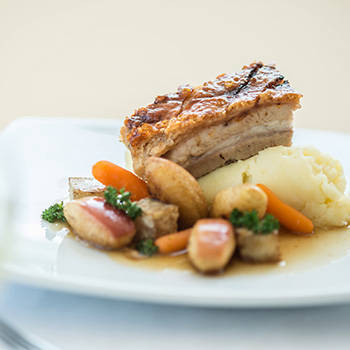 Proteins for maintenance and repair: We provide a variety of high-quality proteins within our homes, which are important for tissue repair and recovery after illness. For example, on our winter menus, you’ll find heart-healthy options like oven baked salmon with a lemon and herb crust, and comforting classics like coq au vin, ensuring residents get the protein they need in dishes they tell us they love.
Energy-giving carbohydrates: Starchy foods like potatoes, rice, and pasta provide the steady energy needed for residents to stay active. Our menus feature a variety of carbohydrate options and fibre that supports digestive health, residents can choose from sides like fluffy creamed potatoes and comfort food options like jacket potatoes with a choice of nutritious fillings.
Dairy and alternatives: Milk, cheese, and yoghurts are excellent sources of calcium, and we incorporate these naturally into our meals, such as our cauliflower cheese or homemade creamy rice pudding. These ingredients are also important for our "enriched diets," where we use high-protein dairy to discreetly support residents who may be at risk of weight loss.
Vibrant fruit and vegetables: We aim for at least five portions of different-coloured fruit and vegetables each day to provide residents with the vitamins and minerals needed to support long-term health. Whether it’s a side of seasonal greens, glazed carrots or a homemade fruit salad, we ensure that every meal contributes to a resident's daily nutritional goals.
Finding out how often menus are updated
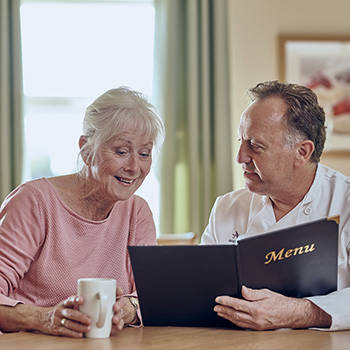 While we all have favourite dishes, most people don’t want to eat the same thing for their main meal every day, and so asking about a care home’s approach to menu planning can be useful.
To ensure Anchor residents always have something new to look forward to, our catering teams operate a four-week menu cycle. This means a different choice of main meal is served every single day for four weeks before the rotation begins again, ensuring a diverse range of flavours and nutrients across the season.
We update these menus twice a year to reflect the best seasonal produce available in consultation with the residents in each home. You can view a full example of our approach to variety by exploring a sample autumn/winter menu from one of our homes here. And each of our homes will happily share their current menu with people enquiring or coming to look around.
How homes prevent malnutrition
Malnutrition can be a concern for some people when they first move to a care home, as the anxiety of a big life change can impact appetite.
If you or your loved one recognise appetite can be a challenge during times of stress or upheaval this may be something you want to ask about to feel confident it is taken seriously.
At Anchor, we make it a priority to identify this as quickly as possible. As part of getting to know each new resident, we will speak to you about food preferences, dietary requirements, where and when you like to eat, and our experienced colleagues will be looking out for subtle details that we should keep an eye on to help keep you enjoying food and staying healthy. We will also carry out a nutrition and hydration assessment that helps us tailor a plan to ensure each person receives the right support from their very first meal living with us.
Freshness guarantee
Every meal in an Anchor home is made fresh, with fresh seasonal ingredients, served immediately.
The role of mealtimes: Social and emotional benefits
 For a lot of people mealtimes have provided a positive structure to the day around which other plans are made, throughout their lives. In a care home setting mealtimes can be an opportunity for residents to benefit from a familiar routine as well as enjoy time with other people.
When asking about care home catering, it can be useful to listen out for what is said about the impact on wellbeing and try to get a sense of how holistic the home’s approach is.
At Anchor, our mealtimes support social connection, create a sense of community, and also offer a way to mark special occasions like birthdays or seasonal events. We strive to make sure mealtimes are an enjoyable experience that residents genuinely look forward to, with a focus flexibility and choice, as well as the quality of the food provided.
Flexibility in meal timings
Will your individual appetite be taken into consideration? At Anchor we provide three main meals a day, breakfast, lunch, and dinner / tea. If residents prefer their main meal at lunchtime and a lighter option in the evening, we always accommodate this.
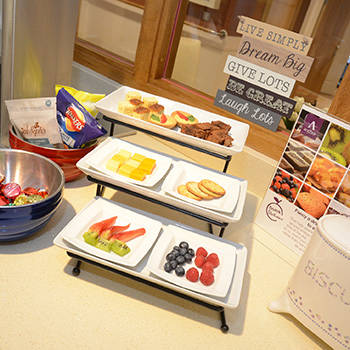 Our care homes also feature nutrition and hydration stations in the communal areas. These discreet displays are stocked with a variety of snacks and soft drinks to enable residents to snack all day independently and encourage them to remain hydrated and well fed at all times.
Choice of setting
Will you be able to choose where you eat and with who? Social dining is encouraged in our homes, often accompanied by calming music to create a restaurant atmosphere. However, some residents prefer to have their meals in a quiet room, in a smaller group, or a tray service in their bedroom. This is your decision to make each day and colleagues in the home will be keen to know what you’d prefer.
You might want to ask if visitors are welcome to join you at mealtimes, or if a home has private dining spaces where you would be able to celebrate special occasions with family and friends.
Maintaining independence
It is normal to have questions about how much of a say you will have in what you eat and the preparation of your food when moving to a care home – so don’t be shy to ask them.
Across our homes the menu is always readily available for residents to familiarise themselves with and at every meal they choose each element: their main, accompaniments such as vegetables or salad, dessert and drink preference.
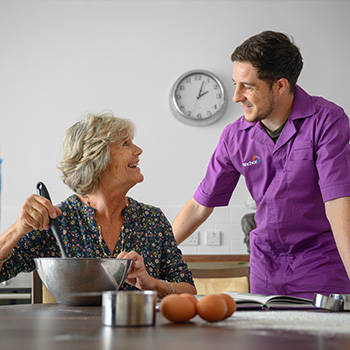 If cooking or preparing food for others is something you’ve always enjoyed, do make sure the homes you are looking at accommodate this where they can. At Anchor many of our care homes hold monthly themed food days and provide opportunities for residents to be involved in the preparation of meals if they wish. Some residents like to lay the dining table themselves and we always welcome and encourage this.
Catering for personal, religious, and cultural needs
The right home will be able to assure you that the catering team will be able to meet all of your individual needs.
At Anchor, we believe that a catering service should adapt to meet the needs and preferences of each resident, not expect residents to adapt to the menu. Inclusive care means supporting the diversity of our residents through food and ensuring that moving into a care home does not mean a loss of personal or cultural identity.
Cultural and religious diets
We regularly accommodate religious diets and specific cuisines to ensure our residents feel at home. We support a range of diets in different ways, for example:
- We offer regional cuisines made with authentic recipes that reflect the local communities around our homes.
- We support vegetarian and vegan diets with nutrient-dense, plant-based meals that are as flavourful as our standard options.
- We work with nominated suppliers to purchase Kosher preprepared meals and offer Halal-only options that meet religious requirements.
Nutritional support and clinical care
Supporting the health and wellbeing of every resident is our priority. Our catering and care teams work in partnership to provide inclusive, safe, and proactive nutritional support for those with particular medical needs. This encompasses everything from medically-advised diets that help manage health conditions to food intolerances and allergies.
Support for swallowing difficulties (dysphagia)
If you or a loved one experience swallowing difficulties, finding out how homes support those with dysphagia is crucial to maintaining a positive relationship with food.
Our staff are trained to deliver textured, modified meals that receive the same care and attention as all the food we prepare.
Using specialist machinery available in all Anchor kitchens, our chefs ensure that a "dysphagia diet" looks appetising and retains the exact same flavour as the standard menu. By focusing on safety, taste, appearance, and nutrition, (STAN). we ensure that safety never comes at the cost of dignity or enjoyment.
Tailored support for residents living with dementia
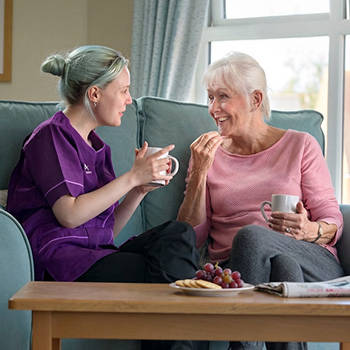 For residents living with dementia, mealtimes require a specific, supportive approach. A well-run home should offer:
- Physical guidance with staff on hand to help residents eat and drink if needed.
- Visual choice - if a resident does not have the capacity to choose from a menu, we present two different plates of food so they can point to their preference and remain in control of their meal.
- The ability to adapt mealtime environments and timings if needed to best suit individual resident’s needs.
- Smaller or specialist cutlery should be available for those who have difficulty using knives and forks.
- Finger foods - if a resident no longer wishes to sit for a full three-course meal, we provide "finger food" options composed from the main menu that allow them to receive the same level of nutrition while maintaining their independence.
Our guide on dietary recommendations for people with dementia contains more information on how our catering teams support residents living with dementia and can give you things to consider asking about.
Enriched diets designed to prevent weight loss
For those at risk of weight loss, care homes should implement "enriched" or fortified diets. However, how this is done matters, and at Anchor we focus on a "food-first" approach to health.
We use a high-protein, high-calcium milk powder (made from 100% milk) to enrich our meals, incorporating it naturally into items like soups, potatoes, and desserts. This protects bone health, promotes muscle mass, and can be incorporated into our menu items discreetly. We also include naturally nutrient-dense items such as:
- Grated cheese and Greek yoghurt
- Evaporated milk
- Nutritious snacks like crackers and fruit juices
We would suggest asking for specific details of how a home supports the diets of those at risk of weight loss when you visit.
Monitoring resident health
To be vigilant when it comes to malnutrition, we use the MUST (Malnutrition Universal Screening Tool) to identify residents who need extra support. Residents are weighed monthly as standard; if weight loss is noted, the MUST score acts as a trigger point for both care and catering teams to increase monitoring and provide nutrient-dense snacks throughout the day.
Why hydration support is essential in care homes
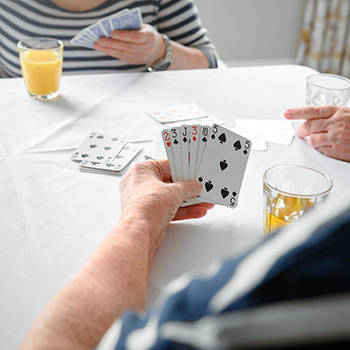 For older people, staying well-hydrated is vital for improving digestive health, skin condition, brain function, and supporting urinary tract and kidney function.
Hydration should be a natural part of the day, and so across our care homes our approach includes:
Always available drinks: Hydration stations and jugs of water are readily available in communal areas, and residents can request a drink of their choice whenever they would like.
Seven scheduled drink rounds: We offer drinks as standard to residents throughout the day, including water, squash, juice and hot drinks.
Snack and smoothie rounds: Mid-morning and afternoon snacks rounds include homemade and pre-bought snacks such as savoury items, pastries, finger food, smoothies, and milkshakes.
Monitoring: Our carers use fluid intake charts to monitor intake and offer gentle encouragement to those who may be drinking less than usual.
Food hygiene ratings in care
Food hygiene ratings provide families with an independent, verified measure of a home’s safety and cleanliness.
These scores (ranging from 0 to 5) are awarded by the Food Standards Agency (FSA), and mean:
- 0 – Urgent improvement needed
- 1 – Major improvement needed
- 2 – Some improvement is needed
- 3 – Hygiene standards are satisfactory
- 4 – Standards are good
- 5 – Hygiene standards are very good
Top Tip: You can check the rating of any care home you are considering by using the FSA Ratings Tool.
The Anchor Standard
At Anchor, we are extremely proud of our consistently high food hygiene standards.
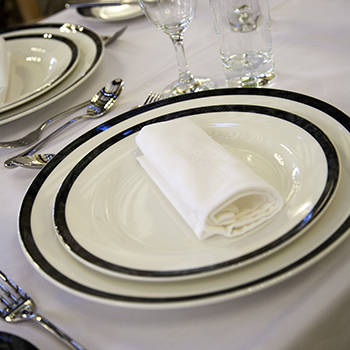 We have a partnership agreement in place with Bradford City Council that verifies and accredits our food safety standards allowing us to have our own internal food safety management system which is recognised nationally.
We take food safety very seriously, and conduct checks on a daily, weekly and monthly basis to make sure our kitchen and dining area safety and hygiene is always up to the best possible standard.
How catering and care teams work together
When doing your research ask about how the care and catering teams work together.
At Anchor, we offer tailored nutrition and hydration care for each individual resident based on their unique requirements. We take a "one team" approach to resident health, and chefs, carers, and clinical staff communicate daily to ensure that mealtimes are part of a person-centred care plan.
Daily meetings
In all our homes, our teams have daily meetings where care and catering staff come together to share any concerns or specific requirements that need catering for that day, such as if a resident isn’t feeling well or is experiencing a change in appetite.
Monitoring resident needs
To make sure our residents are keeping healthy, we use an online system which displays our menus alongside detailed nutritional and calorie information. Additionally, every resident has a nutritional report, updated weekly, that includes their likes, dislikes, and current MUST scores.
Our reports also contain information on whether a resident’s diet has changed, if they have swallowing difficulties, or any other issues that would make eating challenging.
This ensures that the catering team knows exactly what each resident needs to stay healthy and happy.
 Recognising and valuing our teams
It goes without saying that we all do our best work when we feel valued. Staff morale and how much pride colleagues take in their role is a strong indicator of a great home.
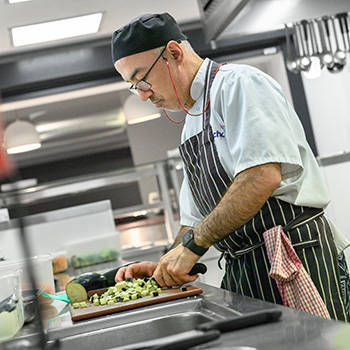
At Anchor we invest in the best talent, and value our catering and hospitality teams as specialists in older people's nutrition. Our Chef Managers, Deputy Chef Managers and Catering Assistants are passionate professionals with an awareness of the important personal role food plays in all our lives. They've chosen a career in care catering to make a positive impact to the lives of older people and bring with them a wide range of professional experiences, from fine dining to working in busy restaurants.
Chef of the Year
To celebrate this, we hold an annual Chef of the Year competition, where chefs from across the organisation show off the culinary excellence and flair they deliver to residents on a daily basis using fresh local ingredients and compete for the coveted title. The competition enables our colleagues to shout about all of the pioneering ways they serve highly nutritional, great tasting, and exceptionally presented meals and to be rewarded and recognised by Anchor for it. This ensures our menus stay innovative and that our chefs remain at the top of their profession.
Spotlight on 2025: Our most recent winner, Shaun West from Kingfisher Court, won with a menu of pan-fried mushrooms on homemade toasted bread, chicken breast in a red wine, bacon and mushroom sauce, followed by a white chocolate cheesecake – all dishes created from the same fresh, local ingredients used in our homes every day.
Tips for families: Questions to ask and things to see
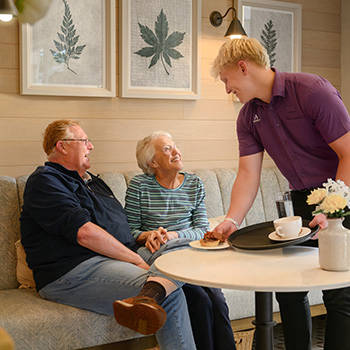 Choosing a home is a big decision, and knowing your loved one eats well will provide reassurance that they’re in the right hands. If you’re planning a visit to a home and want to know more about their catering service, these tips can help you to make the most of your visit:
Ask for a taster: At Anchor, we encourage potential residents and families to have a "mealtime taster" to experience the quality of our food first-hand. Find out if there is an option to have a mealtime taster to see if the food and dining experience is going to suit your loved one and their needs.
Ask for a menu: At Anchor homes, menus should be clearly on display in the reception area, so you can see the variety of meals planned. Staff will also be happy to provide you with a copy of the menu so you can see the full variety of meals planned.
Ask about preferences: Discuss your loved one's personal preferences, any special dietary requirements or mealtime routines with the home team to find out how these will be accommodated.
Talk to the catering team: Find out how involved the catering staff are with residents; do they make an effort to find out what residents like to eat?
Find out about visitor dining: At Anchor, friends and family members have the option of dining with residents when visiting, so it’s worth finding out if and how this is accommodated by the home.
What good looks like: A visitor’s checklist
 When visiting a care home, the following checklist can help you evaluate the dining experience and food quality:
- The dining space: Is the dining area clean, well-lit, and welcoming?
- Atmosphere: Is there a calm, positive atmosphere (perhaps with music)?
- Flexibility: Can residents choose where and when they eat? Is there flexibility around mealtimes where needed?
- Variety: Does the menu offer plenty of choice and fresh ingredients? How often is the menu rotated?
- Dietary support: Are the staff knowledgeable about modified diets, and dysphagia and dementia support?
- Dietary preferences: How are menus adapted for residents with specific religious, cultural, or dietary preferences?
- Hydration: Are drinks and "hydration stations" visible in communal areas?
- Freshness: Are meals made fresh on-site or are they reheated?
- Feedback: Are residents regularly asked for their opinions on the food?
Other care home guides:
- Anchor: Care home selection checklist
- Anchor: Guide to visiting a care home
- Anchor: Guide to choosing a care home
Explore catering at Anchor
At Anchor, we are committed to delivering the highest possible standards of nutrition and hydration, because we understand that living well starts with eating well.
Our warm, welcoming dining spaces are designed to make every meal a highlight of the day.
Ready to find out more?
- Browse our sample menu to get a taste for what to expect when living in one of our homes.
- Find out more about our catering at Anchor, and how we make the most of mealtimes.
- Use our search tool to search for care homes in your area and find homes with availability. Alternatively, contact us and speak to a member of our friendly team.
- Join our award-winning catering team, explore our current opportunities and learn more about starting a rewarding career as an Anchor care home chef or catering assistant.