
18 May 2026
Why bees matter: Elizabeth shares her passion for pollinators on World Bee Day
Every year on World Bee Day, celebrated on 20 May, people around the world recognise the vital role bees and other pollinators play in supporting our food systems, natural environment and biodiversity.
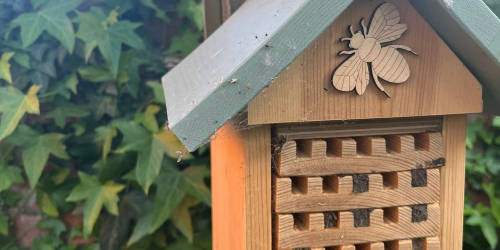
At Denham Garden Village, resident Elizabeth Proud is doing her part. Passionate about protecting pollinators, Elizabeth has installed her own bee house in her garden and is encouraging others to do the same.
Elizabeth said:
Bees are pollinators, which are some of the most important animals to humans because they pollinate our fruits, vegetables and nuts. Without them, these crops will struggle. But it’s not too late to make your own bee hotel, which means you are doing your part to protect bees.
Many residents enjoy access to shared gardens and green spaces across our housing locations and care homes. These outdoor spaces can bring people together, support hobbies such as gardening, and create valuable habitats for local wildlife.
Pollinators such as bees, butterflies, moths, beetles, birds and bats play a vital role in maintaining healthy ecosystems. By helping plants reproduce, they support the growth of fruits, vegetables, seeds, nuts and flowers that people and wildlife depend on.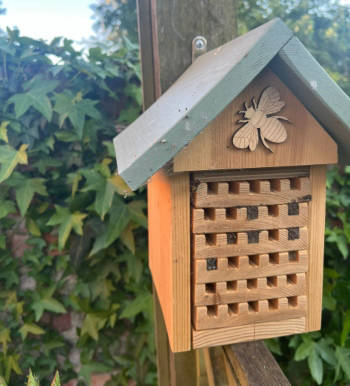
In fact, around 75% of global food crops depend, at least in part, on pollination. Bees alone help pollinate around a third of the food we eat. However, pollinator populations are under increasing pressure due to habitat loss, climate change, pollution, pesticides, disease and declining wildflower habitats. As these numbers continue to fall, protecting pollinators has never been more important.
There are lots of simple ways to support bees and other pollinators in your own outdoor space.
Here are some tips on how you can support bees and other pollinators
-
Plant pollinator-friendly flowers - Choose native, nectar-rich plants such as lavender, thyme and wildflowers. Even a window box or balcony planter can make a difference.
-
Let nature grow - Allowing parts of your garden to grow naturally can create valuable shelter and feeding spaces.
-
Reduce chemical use - Avoid pesticides, herbicides and weed killers where possible, as these can be harmful to pollinators.
-
Provide fresh water - A shallow dish of water with pebbles gives bees a safe place to stop and drink.
-
Support local initiatives - Buying local honey or supporting local nature projects can help strengthen pollinator-friendly environments.
This World Bee Day, Elizabeth’s message is simple - small actions can make a meaningful difference.
Resident involvement in our sustainability journey
If you live with us and want to advocate for sustainability and the environment in your area, find out more about our Resident Environmental Forum. This group acts a consultation body for major Anchor initiatives relating to sustainability and the environment, acting as advocates for sustainability and environmental matters.